
BIM architecture and sixties architecture: it’s never too late for the revolution
From sixties architecture to BIM architecture . From parchment plans to 3D models. From past to future. It’s like this: from “retro” to “neo” there is a huge conceptual (and temporal) gap, but deep down, and paradoxically, in both terms we can find a common condition that makes them twin brothers: in their day, both emerged in a groundbreaking and revolutionary way, setting a trend. Or rather: in their day, they were born as a necessity, as a new way of understanding the most familiar and everyday realities that surrounded us.
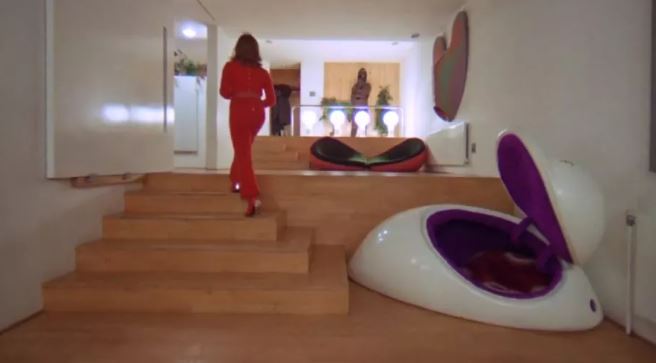
In the field of architecture, the paradigm shift that occurred in the vintage era, the golden decade in which Led Zeppelin began to establish themselves as stars and Stanley Kubrick created what would become his magnum opuses amidst retro-futuristic environments (e.g., A Clockwork Orange), emerged as a period filled with daring projects based on questionable concepts, a search for new heights, and a break from the old paradigm.
Retro Architecture, the revolution of the past
Naturally, the retro architecture of the 1960s didn’t arrive overnight with unique, pre-established canons. Its origins stemmed from a series of inspiring, world-renowned movements that, to this day, have had a significant influence on the construction sector. Here are a few of them:
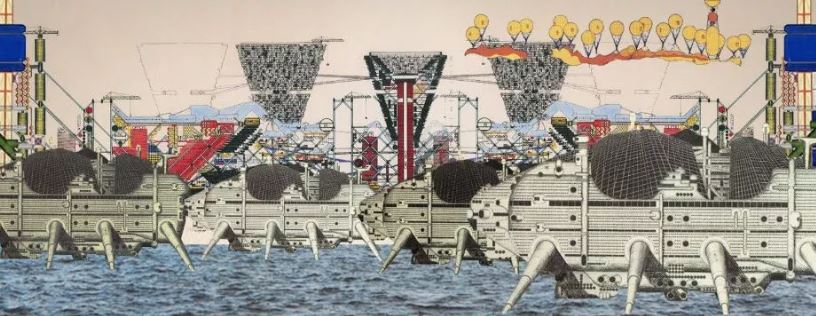
- United Kingdom : When science fiction took its toll on English architecture, one could look to emerging architectural groups like Archigram , which designed large sculptures, portable homes, inflatable villages, and mobile cities. Their designs were adaptable and took advantage of highly advanced technologies for their time.
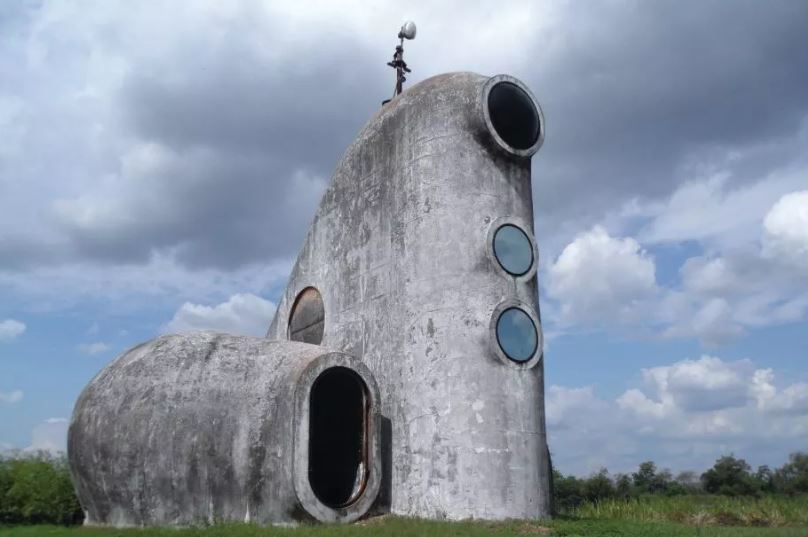
- San Francisco, USA . Bringing together the flexibility and lightness of architecture with avant-garde design practices is what Ant Farm embodies , a building inspired by the Bay Area counterculture.
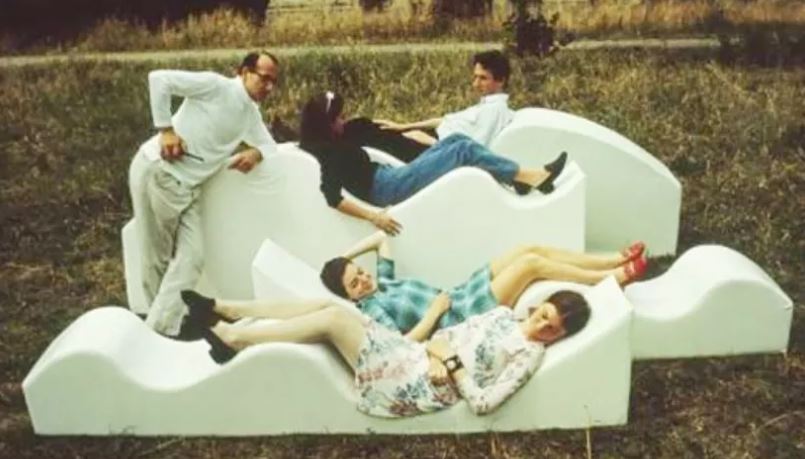
- Italy : Archizoom Associati was born at that time as a design studio whose starting point was an eclectic and kitsch aesthetic . It used satire, subversion, and the reality of caricature as a vehicle for expression. The use of sculptural forms and bright colors was very prominent.
- Vienna, Austria : In 1960s Austria, the Haus-Rucker-Co group rose to prominence , gaining popularity thanks to its beautiful contemplative and recreational spaces. They played with human perception to present a new reality. They expanded the senses and altered spatial perception.

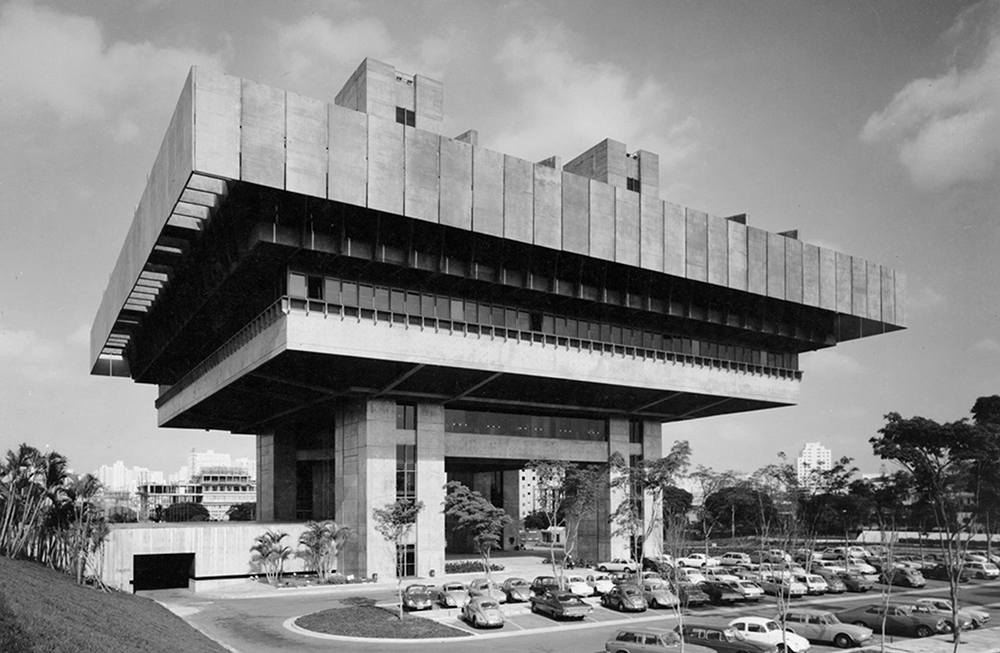
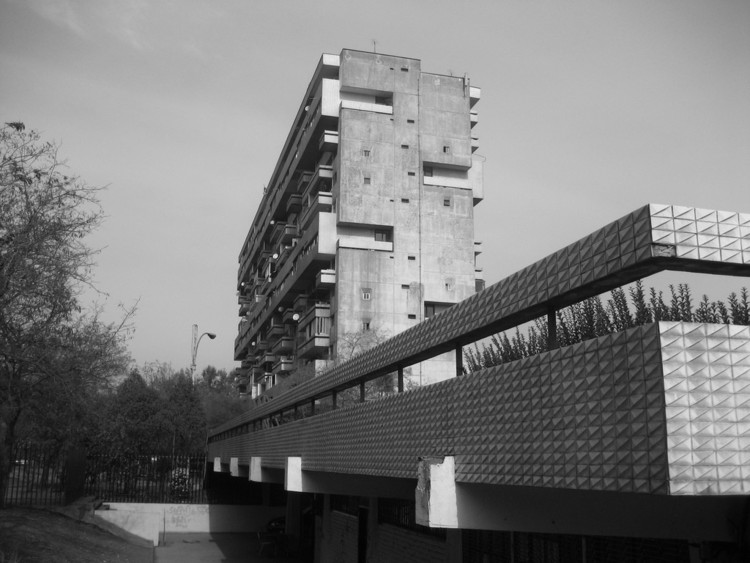
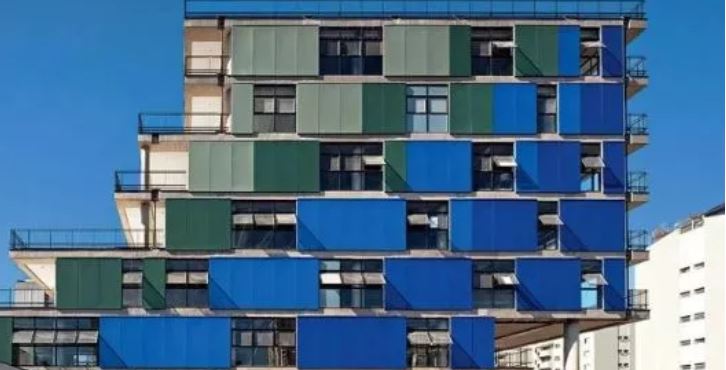
- Brazil : During the Brazilian military dictatorship, the modernist style was implemented to express national identity. Brutalist architecture emerged at the time , represented by buildings made of reinforced concrete. These buildings prioritized height, and many residential buildings shared space with businesses.
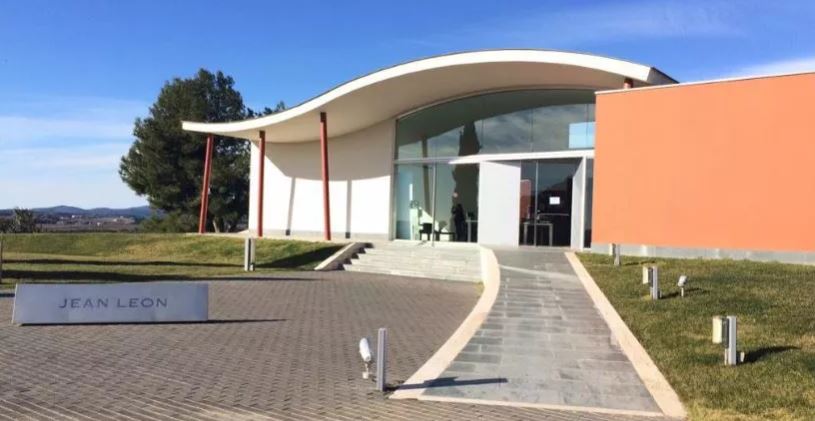
- Minimalism was represented through numerous curved lines, cold visuals, and a clean aesthetic.
The retro imprint that remains in today’s architecture
History has a memory, and although trends become outmoded over time, they never completely disappear. That’s why today it’s possible to observe the traces left by the architecture of the 1960s, which has also made a strong comeback. Among the current references, we can find:
- Wall graphics : The walls are not painted in a single color, but rather are done with a graphic design that complements the decor with geometric prints, flower power, circles, and curves.

- Pop Art : The art of Andy Warhol and Roy Lichtenstein, extrapolated to contemporary architecture, takes shape from the ironic critique of consumerism and unbridled capitalism that inspired the art of the 1960s. As we mentioned, it’s also a motto for contemporary projects today.
- Lofts , those old warehouses that, once renovated, become apartments.
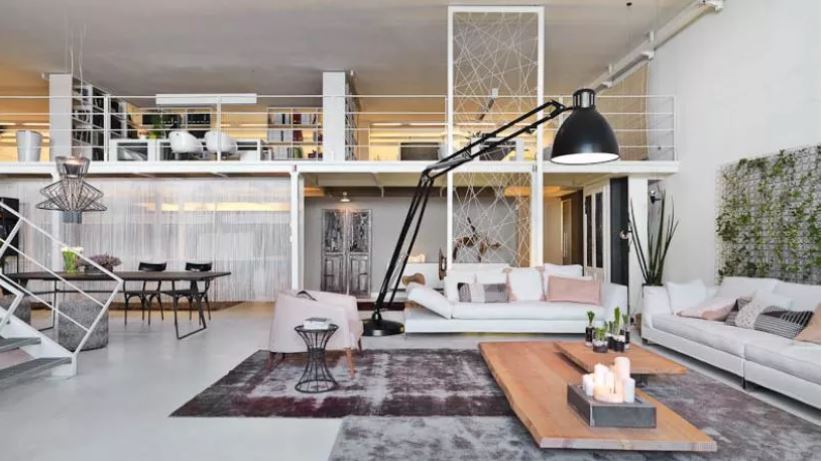
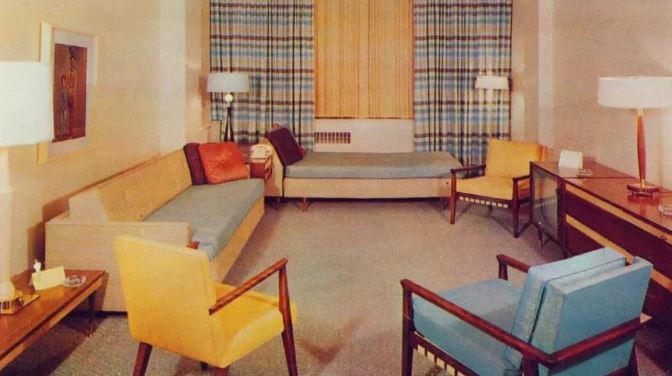
- The presence of strong, bold colors used to differentiate environments and combined with colorful furniture: The color chart has less white and beige and is full of yellow, green, blue, brown, and terracotta, with millennial pink being the color that rules the moment.
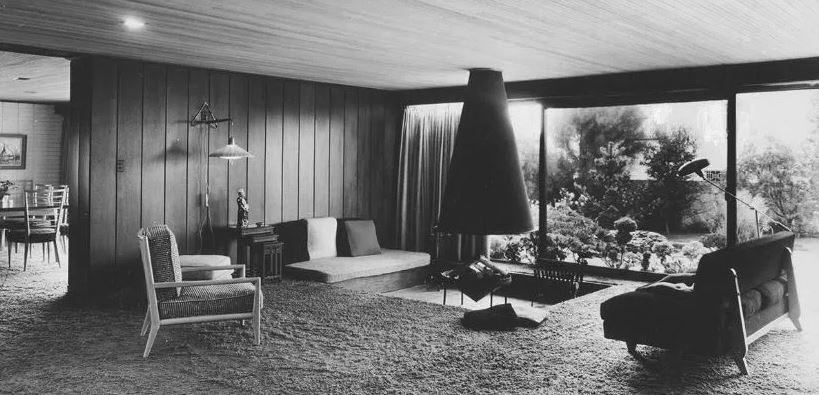
- Retro atmospheres , represented in the decoration of the rooms of a house or apartment, are made by furniture made of natural wood or MDF panels without handles, furniture with wooden legs and modular shelves.
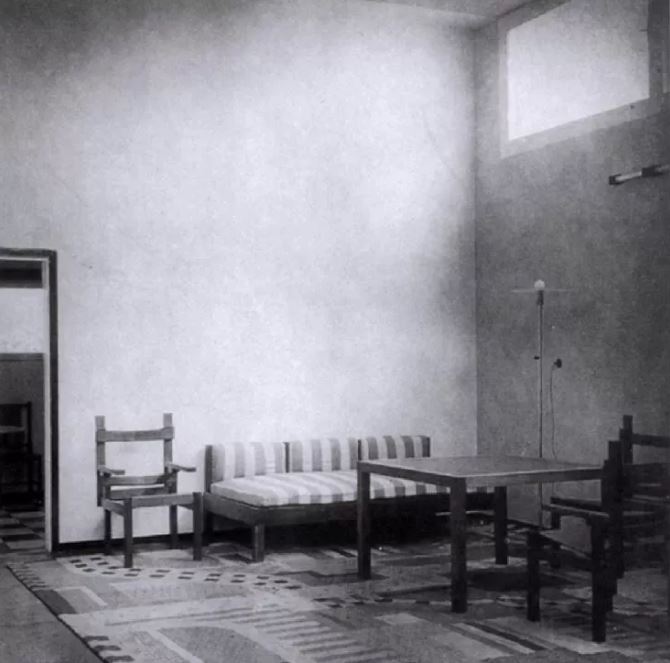
- The influence of the Bauhaus : This art school, created in 1919 with the aim of synchronizing the form with the function of each object and making rational use of materials, was important in the architectural scene of the 1960s and remains so today. It is recognizable by its functional lines, ceramics, woodworking, textiles, prefabricated materials, and, once again, strong colors.
BIM: The paradigm shift 60 years later
Indeed, it’s taken almost 60 years for us to once again speak of a “revolution” in architecture. While, as we’ve seen, the emergence of new trends and styles has always been present throughout this long period, BIM architecture fully embodies the concept of revolution in the architectural sector.
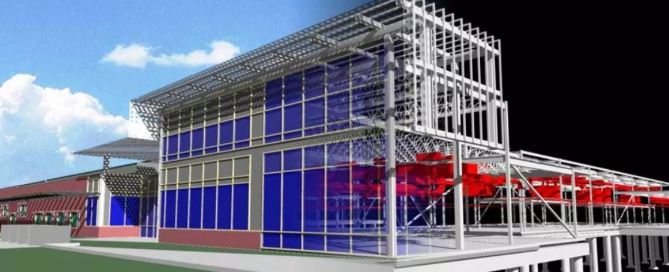
After all, architecture, which is based on information modeling through the construction of a virtual project, information documentation, technology, and collaborative work, allows everyone involved in a construction project to interact and modify information in real time. That’s revolutionary: that today we can talk about a methodology that allows for the creation of efficient, sustainable, and more cost-effective architectural projects. BIM optimizes work and reduces errors, a reality that seemed light years away at the end of the last century.
What will architecture be like in the 2060s?
First of all, perhaps the most pertinent question would be, what will BIM’s big brother look like in 60 years? At the rapid pace at which technology is evolving, it’s difficult to conceive of such an idea. In fact, looking to the future with perspective is complex simply because we need to know what needs will govern and determine our world, and therefore, the construction sector. It’s clear that, one way or another, and as history tells us, we will try to escape the obvious and bring a groundbreaking touch to projects. However, beyond aesthetics, BIM architecture has already anticipated and begun working on the coming revolution: the ecological one.
Will we be ready in a few years to talk about this new revolution?


